K-Beauty Spicules (“Liquid Microneedling”): What Dermatologists Want You to Know Before Trying Them
A distinct prickling sensation is making its way across modern skincare routines. Topical formulas claiming to offer “liquid microneedling” in a bottle are rapidly growing in popularity.
Unlike traditional exfoliating acids or retinoids, Korean skincare’s newest breakout delivery system relies on microscopic structures derived from natural freshwater sponges (Cosmetics Business). When used correctly, these formulations enhance topical absorption, but improper application risks damaging the skin barrier.
Key Takeaways
- Microscopic Structures: Spicules are fine silica structures harvested from marine or freshwater sponges that create temporary pathways in the outer skin layer.
- Enhanced Penetration: Clinical evaluations show spicule delivery systems significantly increase the absorption rate of accompanying beneficial compounds.
- Barrier Management: Avoid pairing spicules with strong chemical exfoliants, retinoids, or high-potency vitamin C on the same evening to prevent irritation.
What Exactly Are Spicules in Skincare?
Spicules are microscopic, needle-shaped structures composed primarily of silica, harvested from freshwater or marine sponge species such as Spongilla lacustris (Cosmetics Business; Liquid Beauty).
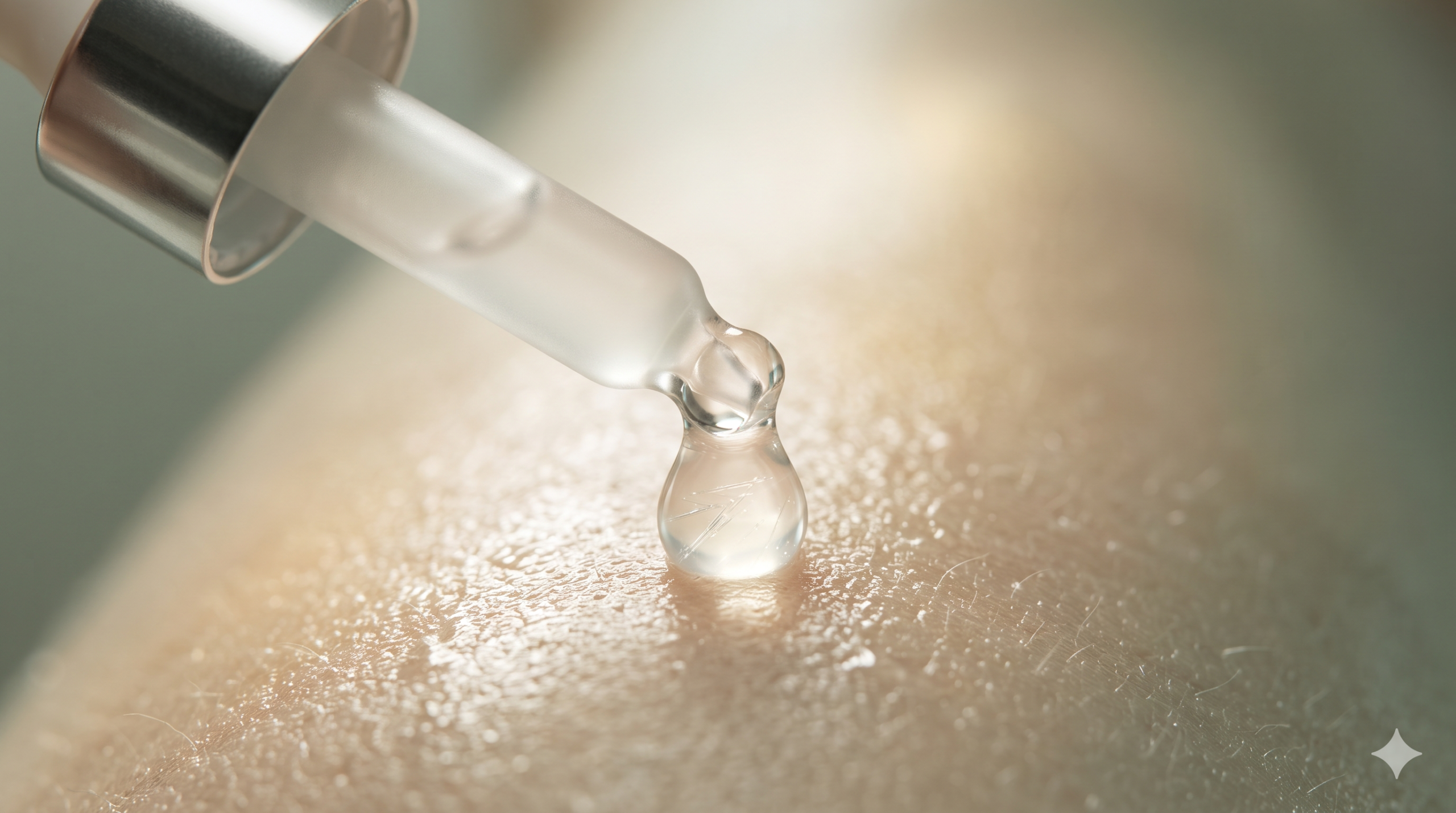
These microscopic elements do not function as active biological ingredients themselves. Instead, they serve as physical delivery vehicles. When gently massaged into the face, spicules create temporary microchannels in the stratum corneum, allowing active ingredients to penetrate deeper before shedding naturally during regular skin cell turnover (Rael).
What Does the Science Actually Say?
Laboratory research supports the physical delivery mechanism of siliceous micro-structures. A peer-reviewed study in the Journal of Cosmetic Dermatology demonstrated that natural sponge spicules successfully enhanced the transdermal delivery of topical active ingredients (PubMed).
Subsequent clinical research published in the Journal of Cosmetic Dermatology evaluated a GHK-peptide-conjugated spicule regimen, reporting measurable improvements in skin texture, pore appearance, and overall elasticity (Liquid Beauty). Additionally, independent clinical testing cited by skincare brand Rael noted that refined spicule delivery systems improved topical ingredient absorption by up to 342% compared to standard topical applications (Rael).
Spicules vs. In-Office Microneedling
| Feature | Topical Spicule Serums | In-Office Clinical Microneedling |
|---|---|---|
| Format & Tool | Topical serum containing silica micro-needles | Physical stainless-steel needle cartridge / pen |
| Sensation Level | Light prickling / tingling for 12–24 hours | Topical numbing required; mild pinpoint bleeding |
| Penetration Depth | Restricted to outer epidermal layers | Adjustable depth targeting the underlying dermis |
| Primary Goal | Daily absorption boost & surface refinement | Deep collagen stimulation & clinical scar remodeling |
The Safety Gap Most Viral Reviews Skip
While topical spicules offer visible benefits, improper use can trigger adverse skin reactions. Using raw, unpurified spicules, choosing high concentrations without prior acclimation, or applying them over compromised skin barriers can lead to prolonged redness, inflammation, and barrier disruption (Rael).
Individuals with active rosacea, eczema, severe inflammatory acne, or broken skin should avoid spicule formulations until the skin barrier has fully recovered.
Furthermore, strong active ingredients—including prescription retinoids, high-percentage AHAs/BHAs, and L-ascorbic acid—should not be layered directly over spicules. Because microchannels increase penetration, combining these potent actives can lead to severe burning and chemical irritation (Rael).
How to Use Spicule Serums Safely
- Evening Application: Cleanse thoroughly and pat the face dry. Press 1 to 2 pumps of a low-concentration spicule serum gently into the skin. Press lightly rather than rubbing aggressively (Rael).
- Barrier Support: Follow immediately with a soothing, fragrance-free barrier cream rich in ceramides, ectoin, or centella asiatica.
- Morning Protocol: Rinse with lukewarm water, apply a hydration serum, and finish with a broad-spectrum SPF 30+ sunscreen.
Frequently Asked Questions :
Do spicules stay in your skin permanently?
No. Spicules reside temporarily in the uppermost epidermal layers and are naturally expelled or dissolved within 24 to 48 hours during routine cleansing and natural skin shedding.
Is a prickling sensation normal?
Yes. A mild prickling or tingling sensation during application and for up to 24 hours afterward is expected. However, severe burning, intense flushing, or persistent itching indicates irritation, and product use should be discontinued.
Should beginners start with hydrocolloid spicule patches or full serums?
Targeted spicule patches offer a controlled way to test skin tolerance on a localized spot before applying a full-face spicule serum to your routine.