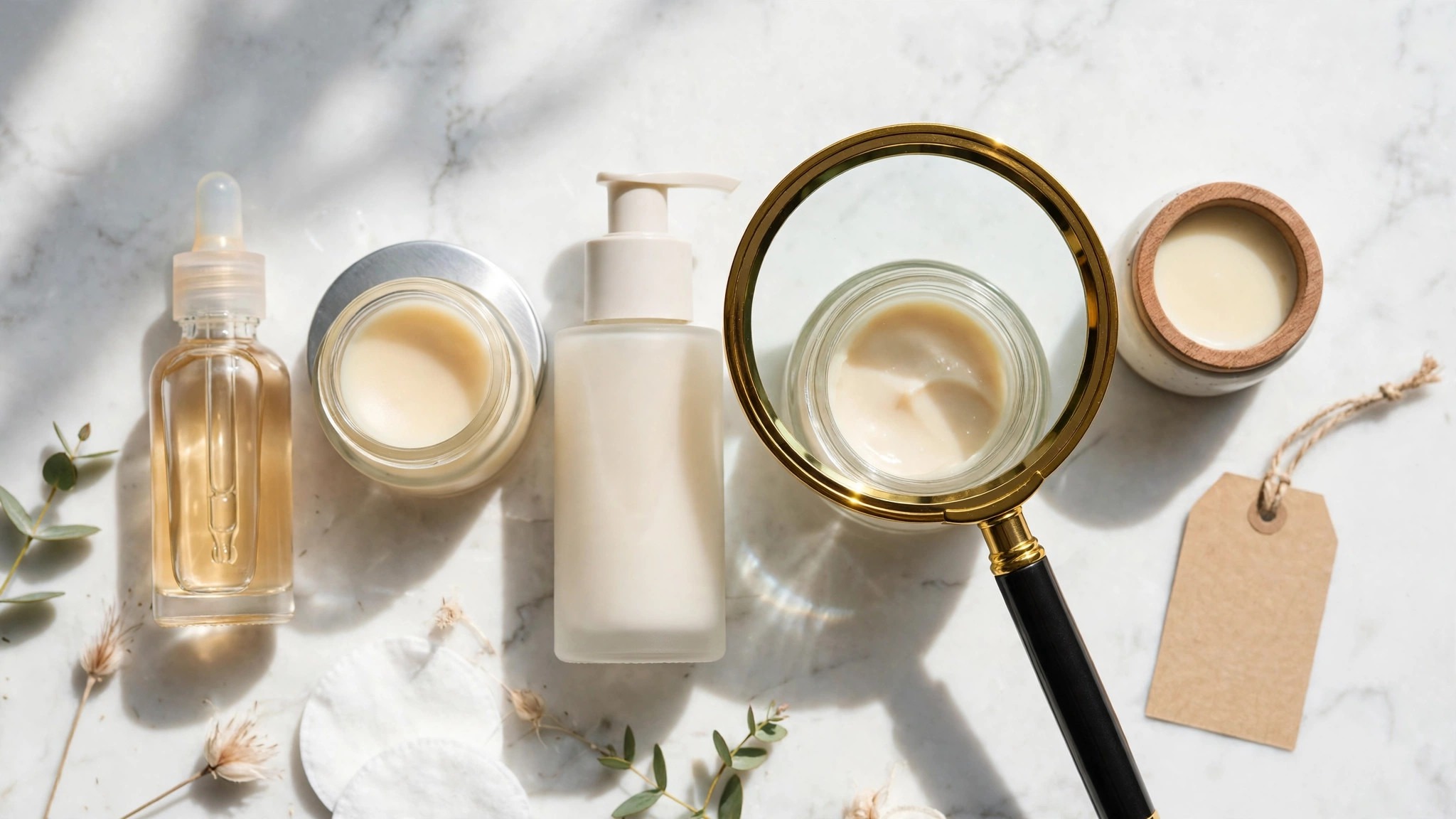
Black Friday Skincare 2026: How to Spot Fake Products and Avoid Misleading Beauty Deals
Black Friday 2026 falls on Friday, November 27, and beauty deals are already everywhere — but so are fake skincare products. Every year, the biggest shopping weekend of the year brings a flood of counterfeit serums, creams, and sunscreens sold through marketplaces, social media shops, and lookalike websites, and the fakes have never looked more convincing. The good news is that most fakes — and most misleading deals — fail the same few checks. This guide shows you how to spot a counterfeit before it touches your skin, how to tell a real discount from an inflated “was” price, and where to shop safely this Black Friday.
Why Fake Skincare Products Surge on Black Friday
Counterfeiters love Black Friday for the same reason shoppers do: huge demand, fast decisions, and prices that change by the hour. When a popular serum is 50% off for 24 hours only, few people stop to check who is actually selling it. That rush is exactly what fake sellers count on. The problem is not limited to shady websites. Counterfeit beauty products regularly appear on major marketplaces through third-party sellers, in social media shops on TikTok and Instagram, and in sponsored ads that copy a real brand’s photos and branding. In 2023, the skin-care brand COSRX publicly warned about counterfeit products being sold on TikTok Shop and Amazon, even on listings that carried Prime badges and good reviews. A badge and a five-star rating are not proof of authenticity. This is a health issue, not just a money issue. A 2022 study published in the Journal of the American Academy of Dermatology tested fake luxury cosmetics seized around the world and found arsenic, mercury, lead, and high levels of bacteria in products marketed as moisturizers and lipsticks. Fake creams can cause burns, rashes, and long-term skin damage — which is why the checks below are worth the two minutes they take.
How Fake Skincare Products Reach Your Cart
Fake skincare products usually reach shoppers through one of four routes. Knowing the route helps you see the risk before you click buy.
- Third-party marketplace sellers. On Amazon and Walmart Marketplace, anyone can list a product. The listing may use the brand’s real photos while the bottle shipped comes from an unauthorized source. Always check the “Ships from” and “Sold by” lines — prefer items sold by Amazon or Walmart themselves, or by the brand’s official storefront.
- Social media shops and ads. TikTok Shop, Instagram, and Facebook ads can sell directly from a video, and a sponsored post can disappear as fast as it appeared. If a deal only exists inside one social ad, search for the brand’s own website and compare before buying.
- Lookalike websites. Fake stores copy a real brand’s site design, logo, and product photos, sometimes with a nearly identical web address — one extra letter or a different ending. Check the URL character by character, and make sure it starts with https and shows a lock icon.
- Deep-discount deal sites you have never heard of. A site offering a prestige serum at 80% off with no verifiable business address, no customer service information, and a vague or copied return policy is a classic warning sign. Search the store’s exact name plus “reviews,” “complaints,” or “scam” before ordering.
Fake Skincare Products: The Red Flags to Check Before You Buy
Run through this checklist for fake skincare products on every Black Friday beauty purchase. One red flag is a reason to pause; two or more mean you should walk away.
- A price far below every other seller. If the same serum is $45 at Sephora, Ulta, and the brand’s own site, but $12 from an unfamiliar seller, that is not a deal — it is the single strongest warning sign. Genuine discounts on prestige brands are usually modest; deep cuts tend to come as gift-with-purchase offers, value sets, or larger sizes, not 70% off a single bottle.
- Packaging that is slightly wrong. Compare the listing photos with the product on the brand’s official website. Look for typos, odd fonts, crooked stickers, blurry printing, colors that shift, or a seal that is missing or loose. Counterfeiters copy packaging well, but the fine print often gives them away.
- A missing, smudged, or generic batch code. A batch code (also called a lot number) is the manufacturer’s traceable fingerprint for a production run — it is not the same as an expiry date. Fakes often omit it entirely or print a generic placeholder such as “LOT001.” If a product has no batch code at all, treat that as a red flag.
- No expiry date or period-after-opening symbol. Most cosmetics do not legally require a printed expiry date in the US, but the open-jar symbol (such as “6M” or “12M”) tells you how long a product stays good after opening. Be extra careful with sunscreen and active skincare such as vitamin C and retinol, which lose strength over time. Our guide to healing chapped lips in winter also explains why checking dates and ingredients matters before a product touches damaged skin.
- A QR code that is missing, scratched off, or peeled. Many brands now print QR codes for authenticity checks. A damaged or absent code is a reason to return the item, not a printing glitch.
- Reviews that do not match the product. Watch for reviews that describe a different product, are all posted on the same day, or read like copies of each other. Sort by most recent reviews to see whether quality has changed.
- No authorized-retailer listing. Most brands publish a “Where to Buy” or “Authorized Retailers” page on their own website. If the seller is not on it and is not the brand itself, buy from a retailer that is.
How to Verify Authenticity in 5 Steps
Follow these steps in order, before you buy and again when the package arrives.
- Start on the brand’s own website. Find its authorized retailers list and check whether your seller is on it. If you are buying on Amazon, confirm the listing is in the brand’s official storefront or sold and shipped by Amazon itself.
- Check the price history. Paste the product link into a price tracker such as CamelCamelCamel or Keepa to see what the item actually sold for over the past few months. A “40% off” tag means nothing if the price was raised just before the sale.
- Compare the unit price. Work out the price per fluid ounce and compare it with the same product at two other retailers. Jumbo sizes at drugstores often cost less per ounce than a discounted holiday gift set.
- Inspect the product on arrival. Check the batch code, the seal, the printing quality, and the smell and texture against a product you already own. A serum that smells of chemicals, feels gritty, or separates in the bottle should not go on your face.
- Contact the brand if you are unsure. Legitimate brands will confirm a batch code’s facility and production date, usually within a day. Keep the packaging and your receipt until you have verified it — and do not open a product you already suspect is fake.
How to Spot a Misleading Black Friday Beauty Deal
Not every Black Friday trap is a counterfeit. Many “deals” are real products at fake discounts — and the pricing tricks are well documented.
- The inflated “was” price. A discount is only real if the “was” price was a genuine price. Under the US Federal Trade Commission’s Guides Against Deceptive Pricing, a former price is a legitimate basis for comparison only if it was “the actual, bona fide price at which the article was offered to the public on a regular basis for a reasonably substantial period of time.” A price that was raised for a few days just so it could be “cut” is a false bargain.
- The discount that is not a discount. A Which? price-tracking study published on November 24, 2026, followed 756 products across eight UK retailers through Black Friday 2025 and found that only 22% of the deals were cheaper than at any other point in the year, while 62% were the same price or cheaper in the six months after the sale. That study covered UK retailers, so it is not a US figure — but it shows how common the pattern is. Screenshot the price yourself in mid-November and compare it with the Black Friday price.
- The endless countdown clock. A timer that restarts every time you refresh the page is a pressure tactic, not a real deadline. Treat countdowns as claims to verify, not as reasons to rush.
- The gift set full of products you will not use. A set of five minis is not a saving if you only wanted one of them. Buy the serum or cream you already use, in the biggest size you will finish before it expires.
- The “free” gift that costs you the return. Check the return policy before you buy. Many beauty retailers only accept unopened items, and some sale items are final sale — so a product you cannot return is a bigger risk than it looks.
For a look at which Black Friday skincare offers are genuinely live this year, see our roundup of the best Black Friday 2026 skincare deals — it separates confirmed live offers from expected deals, so you can compare before you buy.
Quick Guide: Fake Skincare or Real Deal?
| Check | Real product or real deal | Fake or misleading |
|---|---|---|
| Seller | Brand’s own store, authorized retailer, or “sold by Amazon/Walmart” | Unknown third-party seller, social ad only, lookalike site |
| Price | Modest discount; matches other retailers | Far below every other seller; 70–80% off a prestige brand |
| Price history | Black Friday price is a genuine low (check CamelCamelCamel or Keepa) | “Was” price was inflated just before the sale |
| Packaging | Clean printing, correct fonts, intact seal, clear batch code | Typos, blurry print, loose seal, missing or generic batch code |
| Dates | Expiry date or period-after-opening symbol (6M/12M) present | No dates, or a sticker covering the original price or date |
| Reviews | Mixed, specific, spread over time | All posted the same day, or describing a different product |
| Returns | Clear return policy from a known retailer | Vague, missing, or copied return policy |
Frequently Asked Questions
How can I tell if a Black Friday skincare deal is real?
Compare the sale price with the product’s recent price history using a tracker such as CamelCamelCamel or Keepa, check who sells the item, and read the newest reviews. A real deal is a genuine low against the price the item actually sold for — not just a big percentage off a “was” price nobody ever paid.
Is it safe to buy skincare from third-party sellers on Amazon?
It can be, but the risk is higher. Prefer items sold or shipped by Amazon or the brand’s official storefront, because counterfeit and expired stock does reach shoppers through third-party sellers. If a luxury product is only available from third-party sellers, buy it from the brand’s own website or a department store instead.
What should I do if I think I bought a fake skincare product?
Do not use it. Keep the packaging and your receipt, photograph the product and the batch code, and contact the brand with the code so it can verify the batch. Report the seller to the marketplace and, if you paid by card, ask your bank about a chargeback. If the product caused a reaction, stop using it and see a dermatologist.
Do batch codes really prove a product is genuine?
A batch code alone does not prove authenticity, because counterfeiters can copy plausible-looking codes. What matters is consistency: the code should match the brand’s format, the product should also have correct packaging, a seal, and dates, and the brand should be able to confirm the batch. One check is never enough — use the full checklist.
Are social media beauty deals on TikTok Shop safe?
Some are, but social shops carry extra risk because a seller can vanish quickly and listings change fast. Verify the seller is the brand or an authorized retailer listed by the brand, be wary of prices far below other stores, and inspect the packaging for typos, odd fonts, and crooked stickers when the order arrives.
Conclusion
Black Friday 2026 has real skincare savings to be found — but the best deal is the one on a genuine product at a genuine price. Before you buy, check the seller against the brand’s authorized list, look up the price history, and inspect the batch code and packaging when the box arrives. Fake skincare products thrive on rush and excitement, so slow down for two minutes: the serum will still be there, and your skin will thank you for buying the real thing.
Sources
- Facial Adviser — How to Spot Real Amazon Black Friday Skincare Deals
- OffersGalaxy — Black Friday Luxury Beauty 2026
- Wedport — How to Spot a Fake Black Friday Beauty Deal
- DiscountCrown — Black Friday Beauty Deals
- Blog by Donna — Black Friday Shopping Scams to Watch for in 2026
- Fashion Law Journal — Black Friday Fake Discounts
- Informeek — Black Friday Deals 2026 and 7 Ways to Avoid a Fake Discount
- The Silent Markup — Are Black Friday Deals Real?
- TimesLife — Counterfeit Cosmetics Are Flooding Indian Markets
- Alibaba Product Insights — Step By Step Guide To Identifying Counterfeit Skincare Products
- Alibaba Product Insights — How To Spot Counterfeit Skincare Dupes
- Beauty Basket (Medium) — How do you tell whether the skincare you bought online is genuine?