443-Year-Old Shipwreck Lock Cracked by CT Scans—Revealing the Cryptic Code “ANCE”
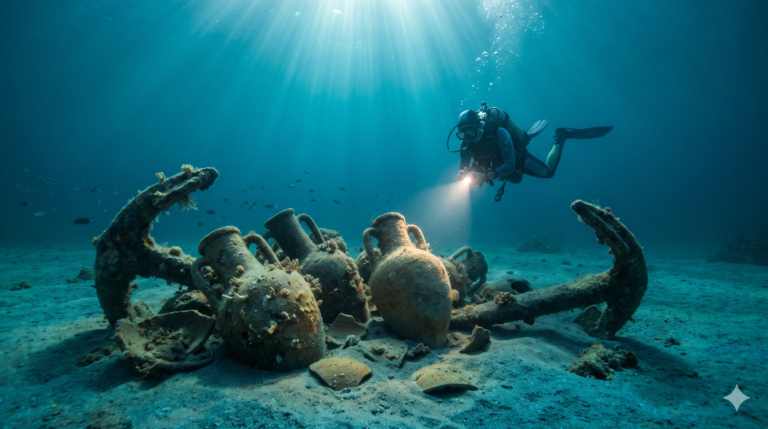
For more than two decades after metal detectorist Peter Hughes pulled a brass combination lock from Margam Beach in South Wales in 1999, its four lettered dials spun smoothly yet refused to open (Smithsonian Magazine). Sealed since December 28, 1583, when the Elizabethan merchant ship Ann Francis wrecked in a storm, the padlock finally yielded in November 2026 when Cardiff University engineers and Amgueddfa Cymru – Museum Wales curators used micro-CT scans to decode its password: ANCE.
How a Bone Scanner Cracked an Elizabethan Brass Padlock
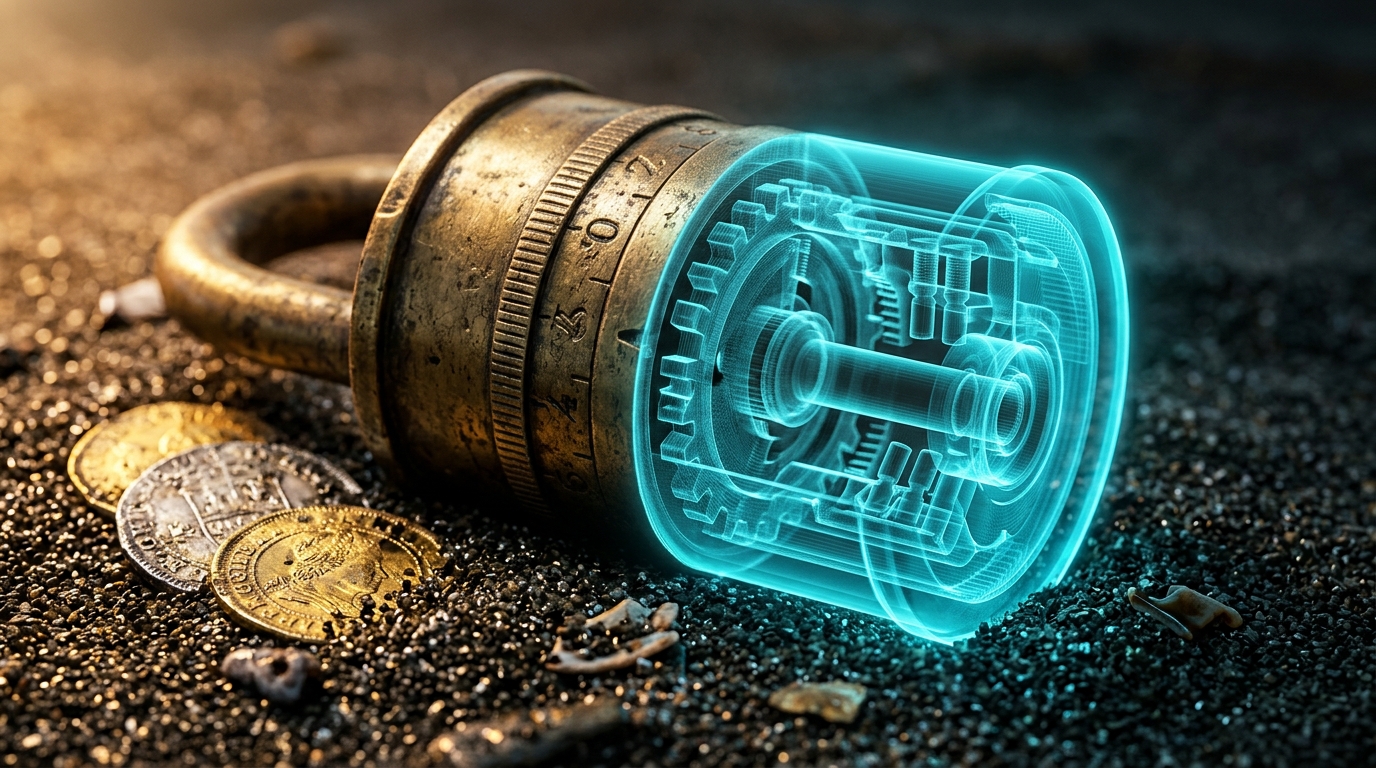
With four rotating rings of six letters each, brute-force testing all 1,296 combinations at 30 seconds apiece would have taken nearly 11 hours and risked grinding 443-year-old brass (Discover Magazine). Instead, Dr. David Williams at Cardiff University’s Musculoskeletal Biomechanics Research Facility adapted a micro-CT scanner normally used for bones and fossils. It took three attempts to penetrate the dense brass and map the internal notches aligning with ANCE; once conservators cleared trapped beach grit, the shackle clicked open (Smithsonian Magazine).
“Micro-CT scanning allowed us to look inside the lock without damaging it. By creating a detailed 3D image of the internal mechanism, I could see how the notches lined up with the letters and identify the exact combination.”
Smugglers, an Accused Witch, and Early “Dollars”
The padlock’s meaning—and how its stationary outer-ring letters connect to ANCE—remains unsolved, much like a comparable British Museum lock from York spelling MARCI (Smithsonian Magazine). Found beside Spanish silver coins and coin weights, it likely secured a bullion chest—possibly one of three broken-lock chests listed in a 1583 salvage inventory (Museum Wales).
Owner Francis Shaxton of King’s Lynn claimed the Ann Francis was on a routine domestic run to Hartlepool, hiding an illicit wheat-for-bullion voyage to Spain (Museum Wales). When gales wrecked the vessel and drowned 14 sailors, a Norfolk parish register blamed an accused witch named Mother Gabley, who became the first person condemned in Norfolk under England’s 1562 Witchcraft Act (Museum Wales; Popular Science). On shore, a Star Chamber lawsuit erupted over 100 armed looters—and centuries later, roughly 870 recovered coins revealed over 120 early Mexican silver pieces (including a rare 1536–1537 Mexico City Mint three-reales coin) plus German talers, the linguistic ancestor of the U.S. “dollar” (Museum Wales).
Timeline of the Ann Francis Mystery
- Dec. 28, 1583 : Smuggling merchant ship Ann Francis wrecks on Margam Beach, Wales, returning from Spain; 14 sailors believed lost (Museum Wales).
- March 1584 : Ship owner Francis Shaxton reclaims cannons, anchors, and partial silver after a Star Chamber looting dispute (Museum Wales).
- 1996–2017 : Metal detectorist Peter Hughes recovers ~870 coins and ship artifacts, including the brass combination lock in 1999 (Museum Wales; Smithsonian).
- July 4, 2025 : Two zones off Margam Beach receive legal protection as a Scheduled Monument under Welsh heritage law (Wikipedia; Museum Wales).
- Nov. 4, 2026 : Cardiff University and Museum Wales announce micro-CT scans cracked the lock’s four-letter code: ANCE (Cardiff University).
Frequently Asked Questions :
What does the “ANCE” code on the Ann Francis lock mean?
Curators at Museum Wales say ANCE likely held personal significance to its owner—or paired with stationary outer letters—but its exact meaning remains unsolved (Smithsonian Magazine).
Why didn’t researchers test all 1,296 combinations by hand?
Testing one code every 30 seconds would have taken nearly 11 hours and risked grinding internal grit against fragile 443-year-old brass (Discover Magazine). Micro-CT scanning revealed the code safely.
Where can you see the Ann Francis lock and treasure today?
The unlocked padlock and coins are on free display in Tides of Treasure at the National Waterfront Museum in Swansea, Wales—listed through June 26, 2027 by Smithsonian Magazine (and through September 2027 by Cardiff University).